Choosing Child-Safe Swim Fabrics: A Guide for Kids’ Swimwear Lines
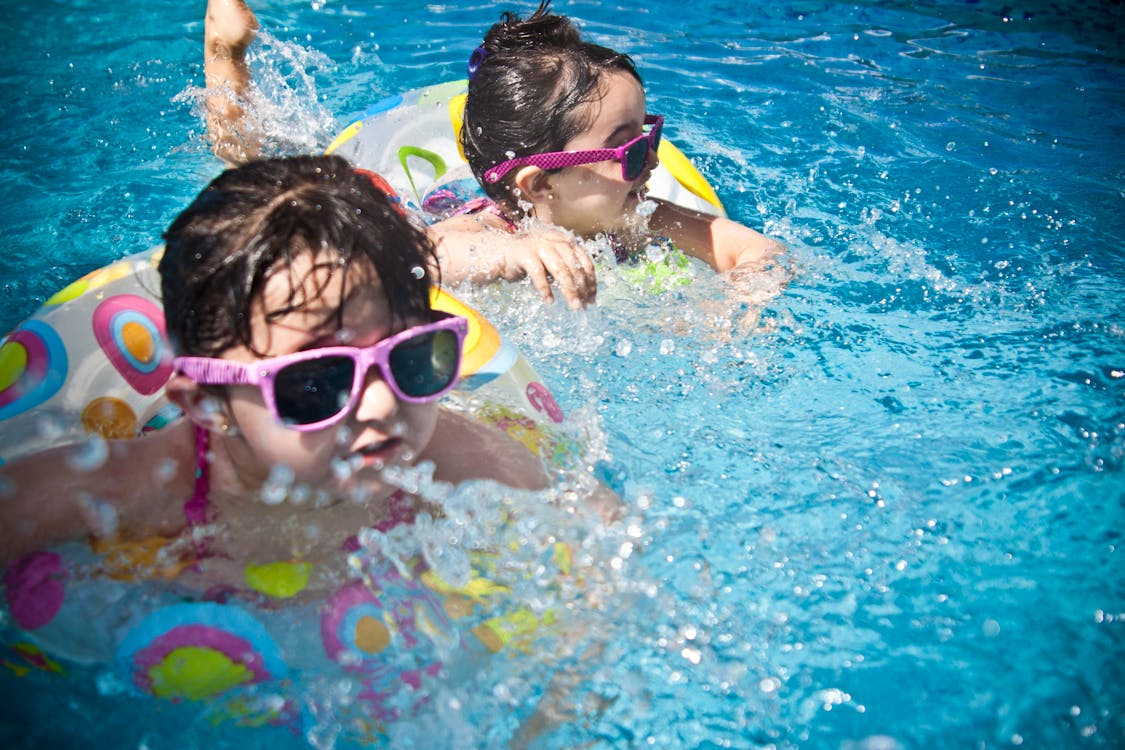
When it comes to kids and swimwear, comfort and safety aren’t optional—they’re non-negotiable. And yet, many brands overlook just how much fabric choice impacts both. Sunburn in children is quite common.
Standard swim fabrics may work fine for adults, but children’s needs are different. High-performance synthetics that feel too stiff or trap heat? No good. Fabrics that contain irritating chemicals or low-grade dyes? Risky. Add in long beach days, pool chemicals, and rough play, and the wrong fabric quickly leads to sunburns, rashes, or saggy swimwear.
Designers can’t afford to guess. Choosing the right kids’ swimwear fabric is the foundation of a successful line.
1. UPF Protection: Built-In Sun Safety
UPF (Ultraviolet Protection Factor) is the SPF of fabrics. A UPF rating of 50 blocks 98% of harmful UV rays—crucial for children’s skin, which burns faster and is more prone to long-term sun damage.
Look for fabrics with inherent UPF protection—not just ones coated with UV-blocking treatments. The best options include:
· Nylon blends with titanium dioxide-infused fibers
· Polyester-spandex blends are tightly woven to reduce UV penetration
· Avoid thin, sheer materials that lose protection when stretched or wet.
2. Fabric Durability: Built to Survive the Splash Zone
Kids aren’t gentle on their clothes. Swimwear takes a beating from:
· Chlorine in pools
· Salt in ocean water
· Repeated stretching
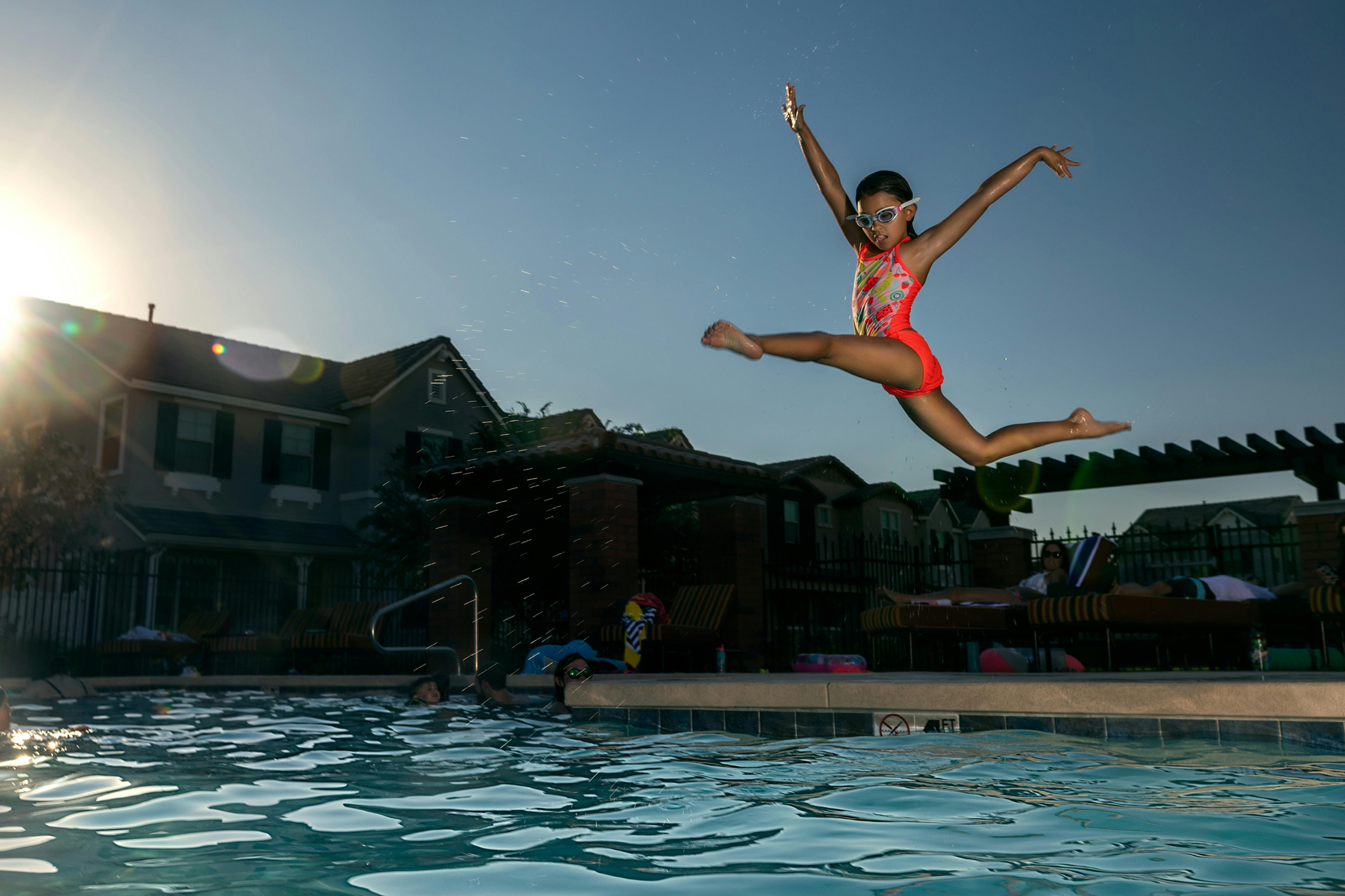
· Frequent washing
· Sand abrasion
The best kids’ swimwear fabric should resist fading, maintain shape, and hold color after dozens of wears. Here’s what to look for:
· Polyester blends: More chlorine-resistant than nylon
· Four-way stretch: Helps retain fit without sagging
· Fade-resistant dyeing methods: Solution-dyed fabrics outperform printed or surface-dyed ones
Also, choose fabric with anti-pilling properties—no one wants fuzz balls after one summer.
3. Child Comfort: No Scratch, No Squeeze
Comfort is the deal-breaker. Kids won’t wear what itches, rides up, or feels tight. Designers should prioritize:
· Soft-touch finishes: Brushed interiors or microfiber surfaces
· Breathability: Fabrics that allow airflow and don’t trap heat
· Stretch and recovery: Enough flexibility for running, splashing, and flipping, without sagging out after a few hours
Also, avoid heavy compression fabrics or tight leg bindings—they’re more common in adult swimwear and usually a miss with kids.
4. Chemical Safety: Keep the Fabric Clean
Some synthetic dyes and finishes used in textiles contain formaldehyde, phthalates, or other irritants that aren't safe for kids. Look for Oeko-Tex® Standard 100 or GOTS-certified fabrics to ensure materials are free of harmful chemicals.
Also, consider water-based dyes for printing. They’re gentler on skin and better for the environment.
5. Fit Matters, But Fabric Drives It
A good pattern is only half the equation. The wrong fabric can make even a well-cut swimsuit feel off. Choose stretch fabrics with proper recovery and enough structure to hold their shape when wet.
Too thin? It might become see-through. Too thick? Kids will overheat. The right balance is a mid-weight, high-stretch fabric with soft hand-feel.
Kids’ Swimwear From Lefty Production Co.
At Lefty Production Co., we help kids’ swimwear brands make the right choices from the very first stitch. As a full-service apparel and accessories design, development, and production company based in Los Angeles, we specialize in swimwear manufacturing—from simple one-pieces to complex kids’ collections. Contact us now.
More News