Fabrics That Fight Chlorine: Choosing Materials for Long-Lasting Swimwear
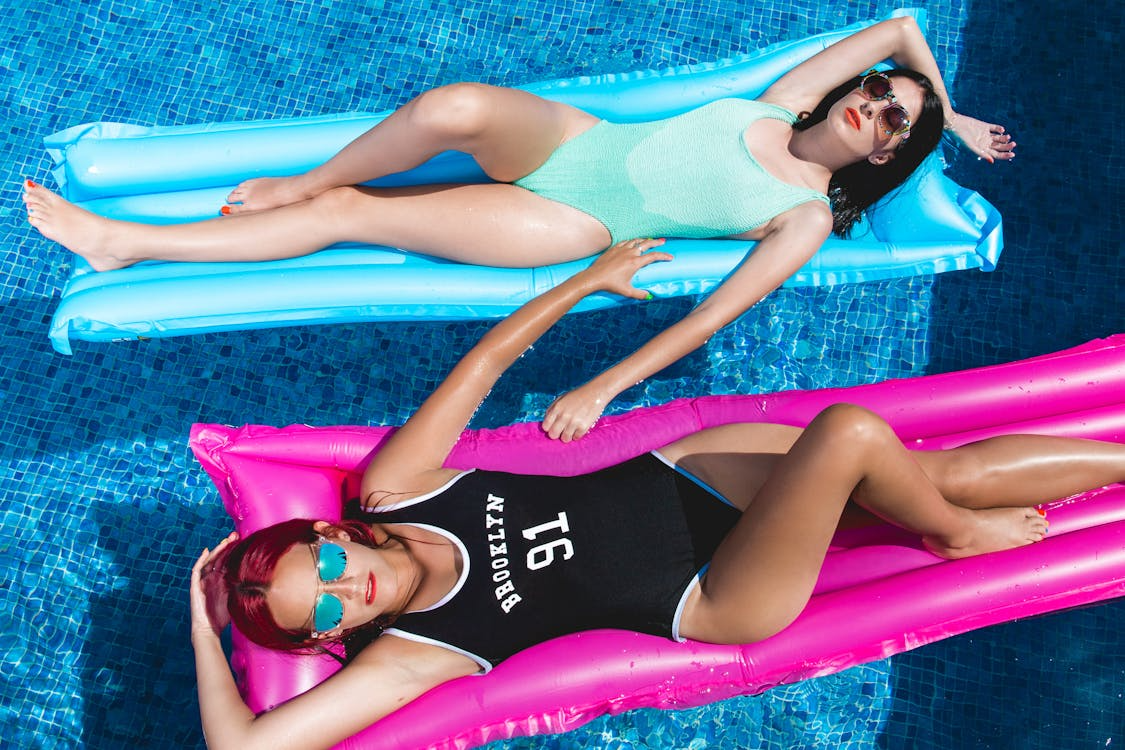
If your swimwear starts to fade or sag after just a few sessions in the pool, you’re not alone. Chlorine is a brutal chemical. It’s essential for hygiene—but tough on textiles.
For swimmers, this means baggy suits, faded prints, and fabric that feels stiff or thin. For brands, it means complaints and replacements. The solution? Smart fabric selection.
Chlorine-resistant swimwear isn’t a marketing term—it’s a result of choosing materials engineered to hold up in chemically treated water.
Why Chlorine Wrecks Most Swimwear
Chlorine attacks the bonds in spandex (elastane) fibers. That stretch you love? It’s the first thing to go. Repeated exposure causes fabric to lose elasticity, discolor, and eventually break down. That’s bad news for any swimwear brand prioritizing performance and longevity.
Designers must balance chlorine resistance with comfort, stretch, and visual appeal.
Best Materials for Chlorine-Resistant Swimwear
Let’s break down the fabrics that can handle the pool without falling apart after a few laps.
1. Polyester PBT Blends (Polybutylene Terephthalate)
This is the gold standard for chlorine resistance. PBT is a type of textured polyester that’s quick-drying, stretchy, and doesn’t degrade in chlorine the way spandex does.
Pros:
· Withstands hundreds of hours in chlorinated water
· Maintains shape and color
· Lightweight and breathable
· Often paired with polyester to boost performance
These blends are ideal for competitive swimwear and athletic swim lines.
2. 100% Polyester
Traditional polyester isn’t as stretchy as spandex-based blends, but it offers solid durability in pools.
Pros:
· Naturally chlorine-resistant
· Fade-resistant
· Great for printed designs and sublimation
This material is better suited for looser styles like boardshorts, rash guards, and swim trunks.
3. Xtra Life Lycra®
Standard Lycra (spandex) breaks down quickly in chlorine—but Xtra Life Lycra® was engineered to resist degradation up to 5–10 times longer.
Pros:
· Offers superior stretch and recovery
· Combines comfort with added resistance
· Blends well with nylon and polyester for stylish swimwear
It’s not as tough as PBT, but it’s ideal for brands that want sleek, flexible designs with extended wear.
4. Chloroban® Fabric
This fabric is designed specifically for long-term chlorine resistance. Made from polyester and PBT, it’s built for competitive and frequent swimmers.
Pros:
· Extremely durable in harsh pool environments
· Holds color well
· Maintains fit over time
Perfect for training suits or high-wear uniforms.
What to Avoid
Nylon-Spandex blends, while common in fashion swimwear, do not perform well in chlorinated environments. Nylon absorbs water and loses color. Spandex breaks down quickly in chemicals. These blends may look good on the rack but won’t last long in the pool.
Extra Considerations
· Lining: Use chlorine-resistant lining to support structure and extend overall life.
· Color choice: Darker colors fade slower, especially when paired with high-quality dye methods.
· Construction: Double stitching and reinforced seams prevent warping and stretching over time.

Chlorine-Resistant Swimwear From Lefty Production Co.
Ready to build chlorine-resistant swimwear that actually holds up in the pool? Lefty Production Co. is your full-service apparel and accessories manufacturing partner based in Los Angeles. We help brands develop high-performance swimwear using PBT blends, chlorine-resistant Lycra, and specialized finishes that boost longevity.
From 3D virtual prototyping to zero-waste sampling and ethical, Made in USA production, we make the process smarter and more sustainable. Let’s get your swimwear collection ready for serious pool time—without the fade, stretch, or complaints. Contact us now.
More News